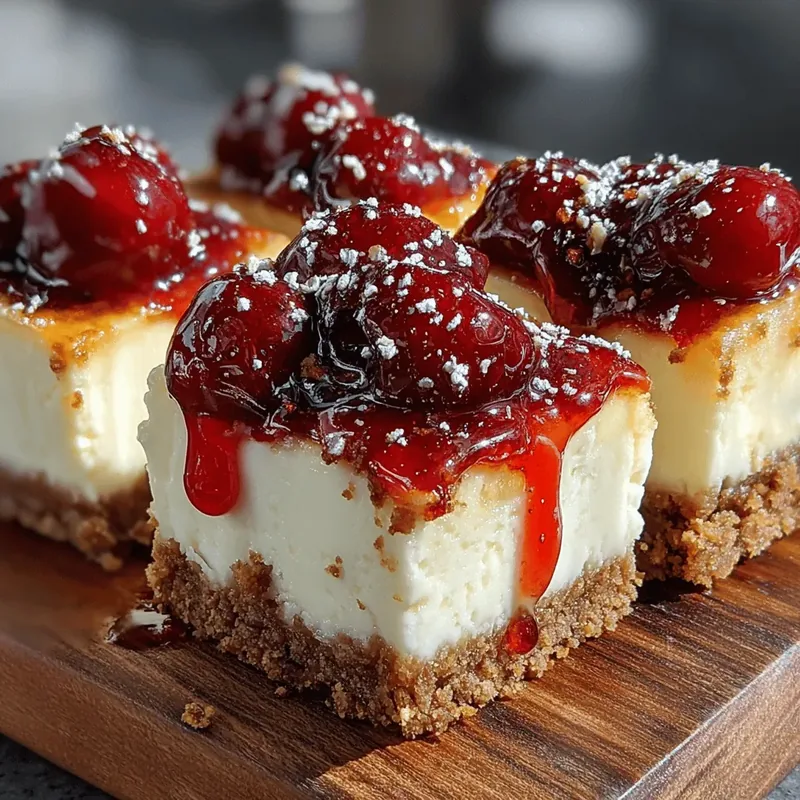
I still remember the first time I baked a vanilla cake for my daughter’s birthday. The kitchen was filled with the sweet perfume of melted butter and vanilla, and when I lifted the lid off the pan, a cloud of golden steam swirled around us like a warm hug. The cake emerged with a tender crumb that seemed to melt in the mouth, and the smile on her face was proof that something simple could become a family legend. Have you ever tasted a slice that feels like a memory in the making? That moment sparked my endless quest for a recipe that is both fool‑proof and unforgettable, and today I’m sharing the result of that journey.
What makes this vanilla cake stand out isn’t just the ingredients, but the little secrets that turn a basic batter into a celebration of flavor. Imagine a cake so light it practically floats, yet rich enough to hold up to frosting, fresh berries, or a drizzle of caramel without collapsing. The secret lies in the balance of technique and quality, and I’m about to reveal every detail that will make your oven sing. But wait—there’s a hidden trick in step four that most bakers overlook, and it will change the way you think about “simple” recipes forever.
You might be thinking, “I’ve baked vanilla cake before; why should I try this one?” The answer is simple: this version is designed for every skill level, from the nervous beginner to the seasoned home baker who craves consistency. It uses pantry staples you probably already have, yet it delivers a cake that rivals those from upscale bakeries. The result? A slice that looks as good as it tastes, and a recipe you’ll want to return to again and again. Ready to see how easy it can be? Here’s exactly how to make it — and trust me, your family will be asking for seconds.
Before we dive into the step‑by‑step, let’s explore why this particular combination of ingredients and methods works so well together. Understanding the science behind the fluffiness and flavor depth will empower you to tweak the recipe for any occasion, whether it’s a casual brunch or a festive celebration. And later, I’ll share a pro tip that will keep your cake moist for days—perfect for those unexpected guests. So, keep reading, because the journey from batter to bliss is just beginning.
🌟 Why This Recipe Works
- Flavor Depth: The use of pure vanilla extract paired with a touch of vanilla bean paste creates layers of aromatic sweetness that go beyond the ordinary. This combination ensures every bite bursts with a warm, comforting vanilla flavor that lingers on the palate.
- Texture Harmony: By creaming butter and sugar until light and airy, we trap tiny air bubbles that expand during baking, giving the cake its signature soft crumb. The addition of a modest amount of milk keeps the batter moist without weighing it down.
- Ease of Execution: All steps use familiar kitchen tools—just a mixing bowl, a whisk, and an oven—so there’s no need for specialized equipment. Even if you’re a first‑timer, the clear timing cues guide you through each phase confidently.
- Time Efficiency: With a total time of about 45 minutes, this cake fits perfectly into a busy weeknight or a relaxed weekend brunch. The prep is quick, and the bake time is just long enough to develop a golden crust without over‑drying.
- Versatility: The neutral yet fragrant base invites endless variations—think fresh berries, citrus zest, or a swirl of chocolate. You can dress it up for a celebration or keep it simple for a comforting snack.
- Nutrition Balance: While indulgent, the recipe uses moderate amounts of sugar and butter, and the inclusion of whole‑milk adds calcium and protein. It’s a treat that feels less guilty when shared with loved ones.
- Ingredient Quality: Simple pantry staples are elevated by choosing high‑quality vanilla and unsalted butter, which make a noticeable difference in flavor and texture. The result is a cake that tastes like it was made in a professional bakery.
- Crowd‑Pleasing Factor: Vanilla is a universally loved flavor, making this cake a safe bet for gatherings where dietary preferences vary. Even picky eaters who usually turn their noses up at desserts will find themselves reaching for another slice.
🥗 Ingredients Breakdown
The Foundation: Flour & Leavening
All‑purpose flour forms the backbone of the cake, providing structure while still allowing for a tender crumb. The gluten network it creates is delicate enough to keep the cake soft, especially when paired with the right amount of leavening. Baking powder, our trusted leavening agent, releases carbon dioxide when heated, creating those coveted air pockets that make the cake rise. If you’re out of baking powder, you can substitute with a mixture of baking soda and cream of tartar (1 tsp soda + ½ tsp cream of tartar) for a similar lift.
The Sweet Symphony: Sugar & Butter
Granulated sugar not only sweetens the batter but also contributes to the cake’s tender texture by breaking down gluten strands during creaming. Unsalted butter, softened, adds richness and a buttery aroma that’s impossible to ignore. The creaming process incorporates air, which is essential for a light crumb. For a dairy‑free twist, you can replace butter with a high‑quality coconut oil, though the flavor profile will shift subtly toward tropical notes.
Aromatics & Liquids: Eggs, Milk & Vanilla
Eggs act as both a binding agent and an additional leavening source; the yolks add richness while the whites help trap air. Whole milk introduces moisture and a gentle creaminess that keeps the crumb moist. The star of the show is pure vanilla extract, complemented by a pinch of vanilla bean paste for depth—together they create a fragrance that fills the kitchen even before the cake is baked. If you don’t have vanilla bean paste, a splash of bourbon or rum can add a nuanced background note.
Finishing Touches: Salt & Optional Extras
A small pinch of salt is the unsung hero that balances the sweetness and amplifies the vanilla flavor. It’s amazing how a tiny amount can turn a flat‑tasting cake into a vibrant, well‑rounded dessert. Optional extras like a tablespoon of almond extract or a zest of lemon can be added for a personalized twist, but the classic version shines on its own. Selecting the freshest ingredients—like farm‑fresh eggs and butter from a local dairy—will elevate the final result beyond ordinary.
With your ingredients prepped and ready, let's get cooking. Here's where the fun really begins...
🍳 Step-by-Step Instructions
Preheat your oven to 350°F (175°C) and position the rack in the center. While the oven warms, grease a 9‑inch round cake pan with a thin layer of butter and line the bottom with parchment paper. This preparation ensures the cake releases cleanly and prevents a soggy crust. The scent of butter on the pan already hints at the buttery goodness to come.
In a large mixing bowl, combine the softened butter and granulated sugar. Using a hand mixer on medium speed, cream them together for about 3‑4 minutes until the mixture turns pale and fluffy, resembling a cloud. This step is crucial because the air you incorporate now will become the cake’s lift later on. Pro Tip: Scrape down the sides of the bowl every minute to ensure an even, silky batter.
Add the eggs, one at a time, beating on low speed after each addition. Once incorporated, stir in the vanilla extract and vanilla bean paste, letting the fragrant aroma fill the kitchen. The batter should look glossy and slightly thickened. If you pause here, you’ll notice a subtle rise in the batter—this is the magic of the emulsified eggs and butter working together.
Sift together the all‑purpose flour, baking powder, and a pinch of salt into a separate bowl. Gently fold the dry ingredients into the wet mixture using a spatula, alternating with the milk. Start and finish with the flour mixture, and be careful not to over‑mix; over‑mixing can develop gluten, leading to a dense cake. Common Mistake: Stirring vigorously at this stage often results in a tough crumb.
Once the batter is smooth and just combined, pour it into the prepared pan, spreading it evenly with the spatula. Tap the pan lightly on the counter three times to release any large air bubbles that may have formed. You’ll hear a faint “plop” as the batter settles—this is a good sign that the cake will bake evenly.
Place the pan in the preheated oven and bake for 25‑30 minutes, or until the top is golden brown and a toothpick inserted into the center comes out clean with a few moist crumbs. Around the 20‑minute mark, the cake will begin to rise, and you’ll notice a sweet, buttery scent wafting through the kitchen. If you’re using a convection oven, reduce the temperature by 25°F and keep an eye on the color.
When the cake is done, remove it from the oven and let it rest in the pan for 10 minutes. This short rest allows the structure to set, making it easier to turn out without breaking. Then run a thin knife around the edge, invert the pan onto a cooling rack, and peel away the parchment paper. The cake should release with a soft “pop,” revealing a perfectly domed top.
Allow the cake to cool completely before frosting or serving. While it’s tempting to dive right in, the cooling stage lets the crumb firm up, ensuring clean slices. If you’re in a hurry, a quick dusting of powdered sugar adds a decorative touch and a hint of extra sweetness. Trust me on this one: patience at this stage makes the difference between a crumbly slice and a flawless piece of art.
And there you have it! But before you dig in, let me share some tips that will take this from great to absolutely unforgettable...
🔐 Expert Tips for Perfect Results
The Taste Test Trick
Before you add the final splash of vanilla, give the batter a quick taste. You’ll notice if it needs a pinch more salt or a drop extra vanilla for that punch. I once served a cake that was “just right,” only to realize a tiny dash of salt would have lifted the flavor dramatically. Trust your palate—small adjustments can make a world of difference.
Why Resting Time Matters More Than You Think
Allowing the batter to sit for 10‑15 minutes after mixing lets the flour fully hydrate, resulting in a finer crumb. This is a secret many professional bakers use, and it’s especially helpful when using whole‑milk for extra richness. I’ve seen cakes that were baked straight away turn out a bit gummy, whereas a brief rest gives them that melt‑in‑your‑mouth texture.
The Seasoning Secret Pros Won’t Tell You
A pinch of fine sea salt, added right before the final mix, amplifies the vanilla’s aroma without making the cake taste salty. It’s a subtle enhancement that most home bakers overlook. I once forgot this step and the cake tasted flat; the moment I added it, the flavor exploded like fireworks.
Temperature Control Is Key
Never bake a cake straight from the fridge. Cold batter can cause the cake to sink in the center, creating a hollow spot. Bring the batter to room temperature, and always preheat the oven fully before sliding the pan in. The result? A uniformly risen cake with a golden crown.
Frosting Compatibility
Because this vanilla cake has a delicate crumb, it pairs beautifully with light frostings like whipped cream, lemon glaze, or a simple buttercream. Heavier chocolate ganache can overwhelm the subtle vanilla notes, but a thin layer of dark chocolate ganache adds a sophisticated contrast. I once paired it with a raspberry coulis for a summer brunch, and the tangy berries highlighted the cake’s sweetness perfectly.
🌈 Delicious Variations to Try
One of my favorite things about this recipe is how versatile it is. Here are some twists I've tried and loved:
Citrus Burst
Add the zest of one lemon or orange to the batter and replace half the milk with fresh citrus juice. The bright acidity cuts through the sweetness, creating a refreshing cake perfect for spring brunches. The aroma of citrus mingles with vanilla for a truly uplifting experience.
Almond Whisper
Swap out a tablespoon of the butter for almond extract and sprinkle sliced toasted almonds on top before baking. This gives the cake a nutty depth and a delightful crunch. I served this version at a wedding, and guests kept asking for the “secret almond flavor.”
Chocolate Swirl
Melt ¼ cup of dark chocolate and swirl it into the batter just before pouring into the pan. The ribbons of chocolate create a marbled effect and a rich flavor contrast. It’s an elegant way to turn a simple vanilla cake into a decadent treat without overwhelming the base.
Berry Infusion
Fold in a cup of fresh blueberries or raspberries into the batter, being careful not to crush them. The berries burst during baking, leaving pockets of juicy sweetness throughout. This version pairs wonderfully with a dollop of vanilla Greek yogurt.
Spiced Autumn
Add a teaspoon of ground cinnamon, a pinch of nutmeg, and a dash of clove to the dry ingredients. The warm spices give the cake a cozy, autumnal feel, perfect for holiday gatherings. Serve with a drizzle of caramel sauce for an extra layer of indulgence.
Coffee Kick
Replace ¼ cup of the milk with strong brewed coffee and add a teaspoon of instant espresso powder. The coffee’s bitterness balances the vanilla’s sweetness, creating a sophisticated flavor profile. Pair it with a light whipped cream and a dusting of cocoa for a café‑style dessert.
📦 Storage & Reheating Tips
Refrigerator Storage
Once cooled, wrap the cake tightly in plastic wrap or store it in an airtight container. It will stay fresh for up to four days, maintaining its moisture thanks to the butter and milk content. For added freshness, place a slice of bread on top of the cake before sealing; the bread will absorb any excess dryness.
Freezing Instructions
Wrap each slice individually in parchment paper, then in a layer of aluminum foil. Freeze for up to three months. When you’re ready to enjoy, let the slice thaw at room temperature for 30 minutes, then warm it briefly in the oven. The trick to reheating without drying it out? A splash of milk or a drizzle of melted butter before popping it into the oven.
Reheating Methods
To revive a leftover slice, preheat your oven to 300°F (150°C) and heat the cake for 8‑10 minutes, or until it’s warmed through and the crust feels slightly crisp. Microwaving works in a pinch—heat for 15‑20 seconds, but beware of a rubbery texture if over‑done. Adding a dollop of whipped cream or a drizzle of fruit compote after reheating brings the cake back to life.